



If you’ve already ticked off Saif ul Malook and Lulusar from your Naran trip, Dudipatsar Lake is probably the next name you’ve heard whispered around campfires or seen tagged in some traveler’s Instagram story. It’s less crowded, harder to reach, and honestly, that’s exactly why it’s worth the effort.
I’ll be upfront: this isn’t a lake you drive up to and photograph from your car window. You have to work for it. But if you’re the kind of traveler who’d rather earn a view than just show up for one, keep reading.
Where Exactly Is Dudipatsar Lake?
Dudipatsar (sometimes spelled Dudipat Sar) sits at roughly 3,800 meters above sea level in the upper Kaghan Valley, tucked behind a ridge that most day-trippers never bother crossing. The lake gets its name from the glacier above it — “dudi” loosely translates to “milky,” which makes sense once you see the pale, almost chalky blue-white color of the water when the light hits it right.
Unlike Saif ul Malook, which you can reach by jeep in under an hour from Naran, Dudipatsar demands an actual trek. That’s the whole point.
How to Get There from Naran
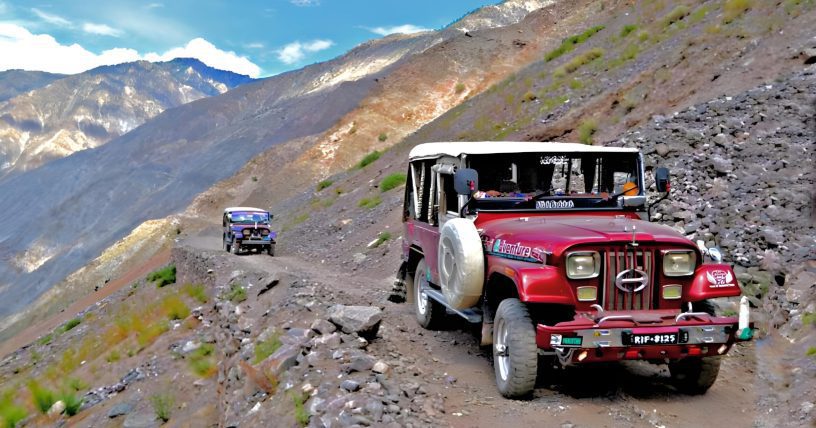
The trek starts from Besar, a small village about 20 kilometers north of Naran. You can get a jeep to Besar from Naran in around 45 minutes to an hour, depending on the road condition that season (and in Kaghan, road condition is always a moving target).
From Besar, it’s roughly a 4 to 5 hour trek one way to reach the lake, covering close to 14 kilometers of trail. The path takes you through Jalkhand and Danna meadows before the final climb to the lake itself. Most people either camp overnight at Dudipatsar or do it as a punishing but doable day trip if they start early enough.
I’d push back on anyone telling you this is a “moderate” trek. It’s manageable for a reasonably fit person, but there’s a real elevation gain, and altitude sickness isn’t a joke at nearly 4,000 meters. Take it seriously.
Best Time to Visit
July through early September is your window. Before that, the trail is often still buried under snow from winter, and the stream crossings can be dangerous with meltwater. By late September, temperatures at that altitude start dropping fast, and the route can get genuinely uncomfortable.
If you’re planning around monsoon season, keep an eye on the weather. This region does get affected by rain patterns, and a wet trail here is a different animal than a wet trail at lower elevation — think mud, slippery rocks, and reduced visibility on ridgelines.
Do You Need a Permit?
Yes, and this trips people up. Since Dudipatsar sits within a protected area, you need to register at the checkpoint near Besar before starting the trek. There’s usually a small entry fee, and rangers do check. Bring a copy of your CNIC or passport, and if you’re traveling in a large group, it’s worth registering the day before if you’re camping early morning.
Locals in Besar can also arrange guides, which I’d genuinely recommend for first-timers. The trail isn’t heavily marked in every section, and weather can shift quickly enough that having someone who knows the terrain matters more than you’d think.
What to Pack
This isn’t a stroll-in-sandals kind of trek. A few things I’d consider non-negotiable:
- Proper trekking shoes with ankle support — the terrain alternates between rocky patches and soft meadow ground that can hide uneven footing
- Layered clothing, because mornings at Besar and evenings at the lake are cold even in July
- A refillable water bottle and purification tablets, since you’ll be filling up from streams along the way
- A basic first aid kit, including something for blisters and mild altitude discomfort
- Camping gear if you’re staying overnight, or a confirmed arrangement with a local guide who provides tents
Don’t overpack. Every extra kilogram on your back matters more at 3,800 meters than it did when you packed it at sea level.
Camping at Dudipatsar
If your schedule allows it, camp overnight. The lake at sunset, with the glacier catching the last light, is a completely different experience than seeing it at midday with a dozen other trekkers around. Mornings are quiet, cold, and honestly a little surreal — mist rolling off the water while the surrounding peaks slowly light up.
There are no proper facilities up there. No shops, no restaurants, nothing. Whatever you bring is what you have, so plan your food and fuel accordingly.
Is the Trek Worth It?
I won’t pretend Dudipatsar is for everyone. If you’re traveling with young kids, elderly family members, or you’re short on time in Naran, this probably isn’t the trip to squeeze in. It requires a full day at minimum, decent fitness, and a tolerance for basic conditions.
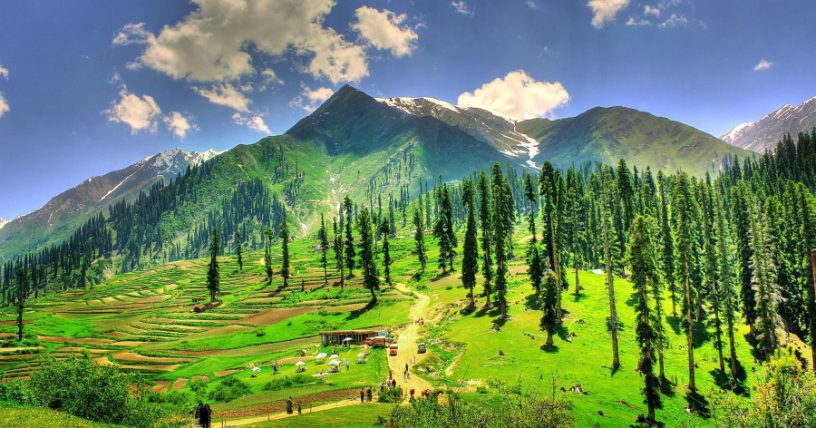
But if you’ve done the easy stops and you’re craving something that actually feels earned, this is it. The lake itself is strikingly quiet — no boat rides, no vendors, no crowds pushing for a photo spot. Just glacier water, alpine meadows, and the kind of silence that’s hard to find anywhere near a road.
Quick Trip Summary
- Starting point: Besar (45–60 min jeep ride from Naran)
- Trek distance: Approximately 14 km one way
- Trek duration: 4–5 hours one way
- Altitude: Around 3,800 meters
- Best months: July to early September
- Permit required: Yes, at the Besar checkpoint
- Difficulty: Moderate to challenging
If you’re building out a full Kaghan Valley itinerary, Dudipatsar pairs well with a stop at Lulusar Lake on the same route north, since both are accessible from the Naran–Babusar road corridor. Just don’t try to cram both into a single day — this is a valley that rewards patience, not rushing.

Recent Blog
Things to Do at Night in Naran: Best Evening Activities
Naran is known for its mountains, lakes, rivers and scenic drives, but the day does not have to end...
Read More
Local Food in Naran | Traditional Dishes You Must Try
A trip to Naran is not just about breathtaking mountains, flowing rivers, and scenic lakes. It’s also an opportunity...
Read More